
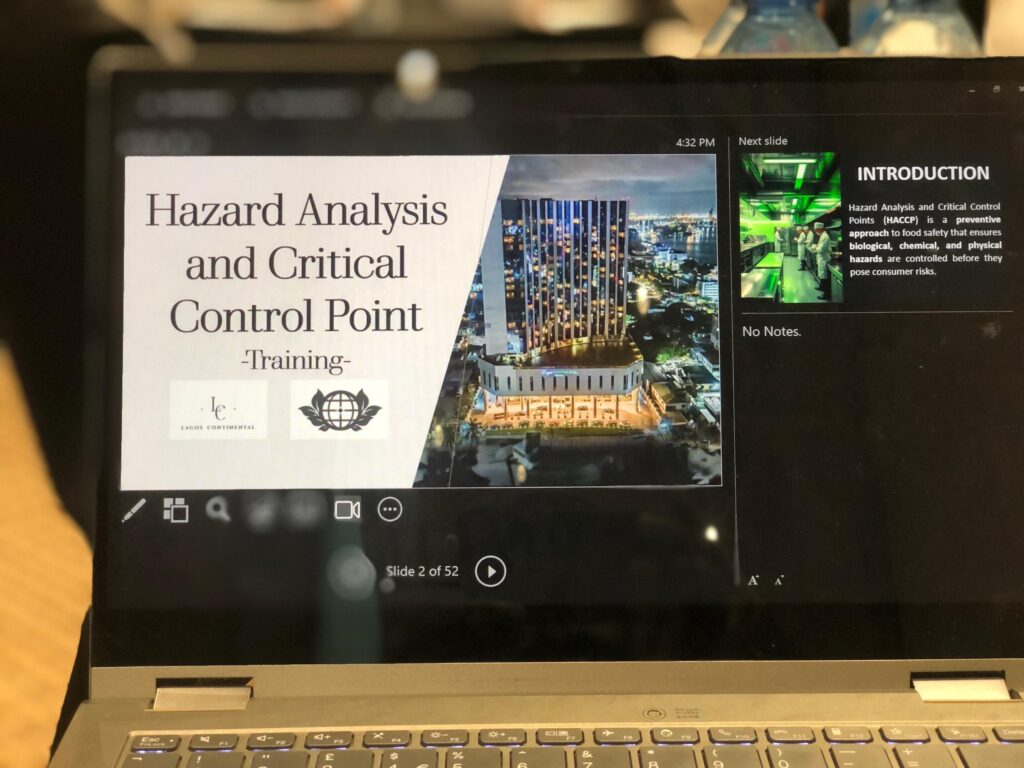
Food safety isn’t just about hygiene—it’s about prevention. One small mistake in food handling can lead to contamination, legal trouble, and lost customer trust. That’s why businesses need HACCP (Hazard Analysis and Critical Control Points)—a proven system that keeps food safe from production to consumption.
Why HACCP Matters?
- Prevents foodborne illnesses – Stops bacteria, toxins, and contamination before they become a problem.
- Ensures legal compliance – Regulatory bodies/agencies like Ministry of Health, Ministry of the Environment require it, and non-compliance can lead to hefty fines or shutdowns.
- Protects your brand – Customers trust businesses that prioritize food safety.
- Reduces waste & costs – Prevents recalls, spoilage, and unnecessary expenses.
How to Stay HACCP Compliant?
- Identify risks – Spot potential hazards in food production and handling.
- Control the danger zones – Monitor cooking, cooling, and storage points.
- Set safety limits – Maintain proper temperatures, hygiene, and food handling standards.
- Document everything – Keep records of safety checks, corrective actions, and inspections.
- Train your team – Ensure all staff understand food safety procedures.

Final Word!
HACCP isn’t just a requirement—it’s a smart business move. Safe food means happy customers, fewer risks, and a stronger reputation.
At Codas Environmental Enterprise, we are committed to promoting the best practices in food safety and environmental health. Whether you’re a small restaurant, hospitality industry or a large food manufacturer, prioritizing HACCP compliance is a step towards a safer and healthier future.
Need expert guidance? Let’s talk!
www.codas.com.ng